Skinli Journal
Skinli Journal
Plain guides on acne and skincare, newest first. Each one lists its sources, and each one has a ready LinkedIn post you can share.
Skip the reading: one photo, and Skinli gives you a free acne score. No sign-up.
Get my free acne score witch hazelacne
Witch hazel for acne: what it does and its limits
Witch hazel is a plant extract sold as a skin astringent, not a proven acne treatment. What it can do, what it cannot, and what dermatologists list instead.
 back acnesweat
Sweat, gym gear and back acne: a workout routine
Shared equipment, tight clothing and trapped sweat can add to back acne. The AAD's routine for before, during and after a workout to reduce it.
 toothpastepimple
Toothpaste on a pimple: why dermatologists say no
Toothpaste can contain baking soda, peroxide and sulfate detergents that irritate skin. What is actually in it, and what the AAD recommends instead.
 pillowcasebedding
Pillowcases and acne: how often to change them
A pillowcase collects oil, sweat and product residue every night. How that buildup reaches the skin, and how often dermatologists suggest changing it.
 makeupnon-comedogenic
Does makeup cause acne? Non-comedogenic, safe wear
Some makeup can clog pores and add to acne. The AAD's labels to check, and how to apply, wear and remove makeup without making breakouts worse.
 maskneacne mechanica
Maskne: why masks cause breakouts and how to stop
Maskne is acne mechanica from mask friction, heat and moisture. What the AAD says helps: fabric choice, skipping makeup, mask breaks and the right cleanser.
 keratosis pilarisacne look-alikes
Keratosis pilaris vs acne: how to tell them apart
Keratosis pilaris makes rough, dry bumps on the upper arms and thighs. Acne makes oily spots, some with pus. How to tell them apart and what helps each one.
 blackheadsface masks
Face masks for blackheads: peel-off, clay, charcoal
Peel-off and charcoal masks lift blackhead tops, and pores refill within weeks. What clay and salicylic acid masks do, the risks, and what keeps pores clear.
 acne treatmentsulfur
Sulfur for acne: what it does and how to use it
The FDA allows sulfur at 3 to 10 percent in acne products sold without a prescription. How masks and spot products are used, side effects, and how it compares.
 tea tree oilnatural acne treatment
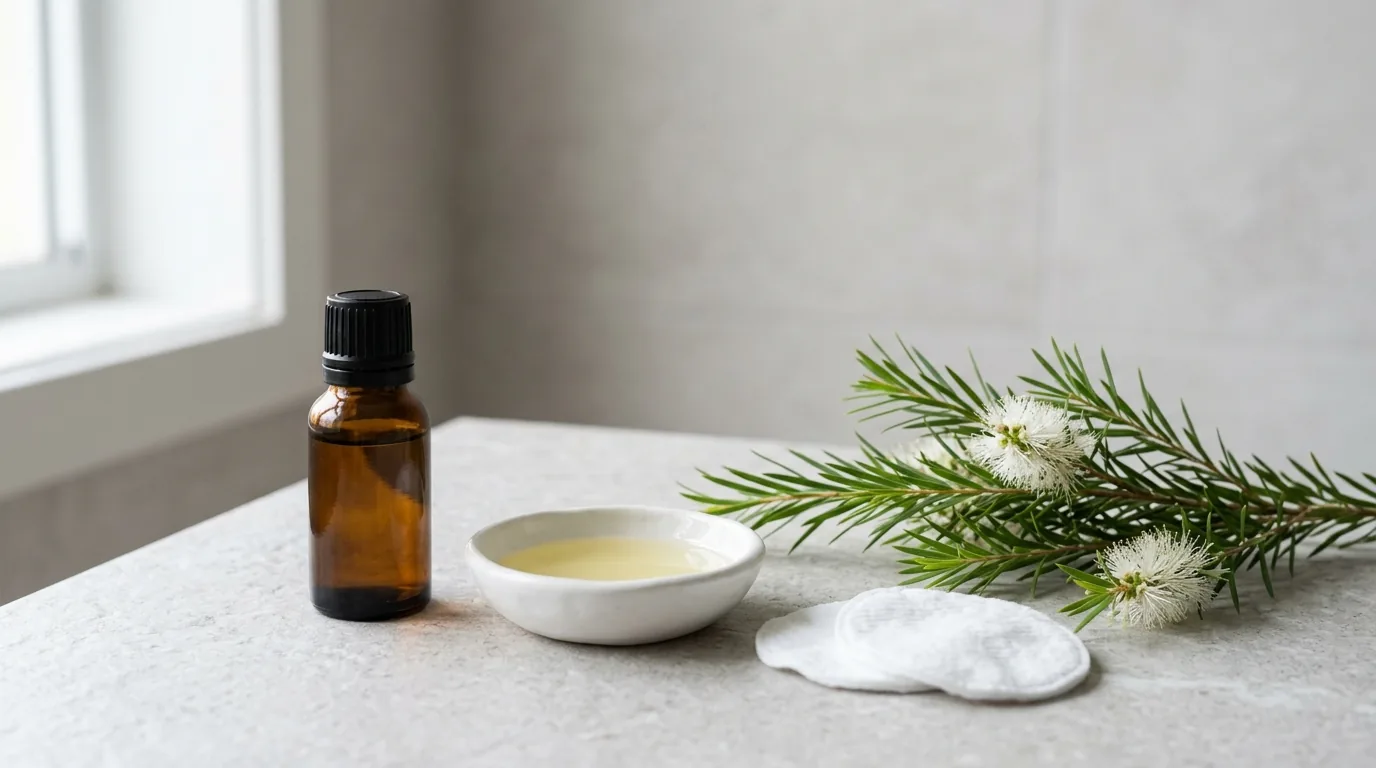
Tea tree oil for acne: does it help pimples?
Small trials show tea tree oil can help mild acne, more slowly than benzoyl peroxide. Why pure oil can cause a rash, how to patch test it, and whiteheads.
 doxycyclineoral antibiotics
Doxycycline for acne: how it works and how long
Doxycycline is an antibiotic pill for red, inflamed acne. What the 2024 AAD guideline and the drug label say on course length, side effects and isotretinoin.
 scalp acnebody acne
Scalp acne: pimples, blackheads and whiteheads
What causes pimples, blackheads and whiteheads on the scalp, why popping them makes things worse, which washes help, and when a doctor should look.
 stress acnehormonal acne
Can stress cause acne? Stress vs hormonal acne
Stress can make acne you already have worse by raising oil. How stress acne compares with hormonal acne, what a stress pimple on the lip may be, and what helps.
 acne dietdiet and acne
Acne diet: what research says about food and skin
Which foods and supplements have evidence for acne, how strong it is, and how to test a food on your own skin safely. Milk, sugar, chocolate, zinc and more.
 alcohol and acnedrinking and acne
Alcohol and acne: drinking, antibiotics, skin
Drinking is linked to acne in two large Asian studies, and a lab study found alcohol raises oil in skin cells. What that means, and rubbing alcohol on spots.
 biotin and acnehair skin nails vitamins
Biotin and acne: what the research shows
No study has shown that biotin causes acne, and the popular vitamin B5 theory is untested. What biotin does, its blood test risk, and how to test your skin.
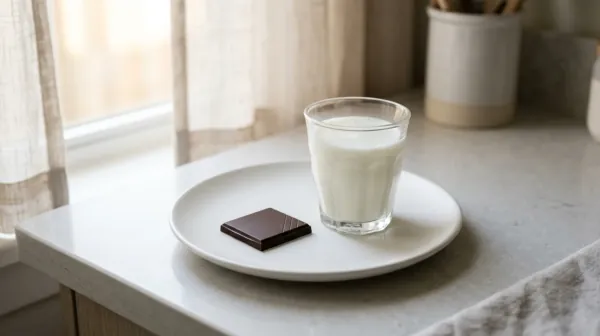 chocolate and acnecocoa
Chocolate and acne: cocoa, sugar and the trials
Four trials have fed chocolate or cocoa to people with acne, and three found more spots within 1 to 4 weeks. Why, which chocolate, and what the studies miss.
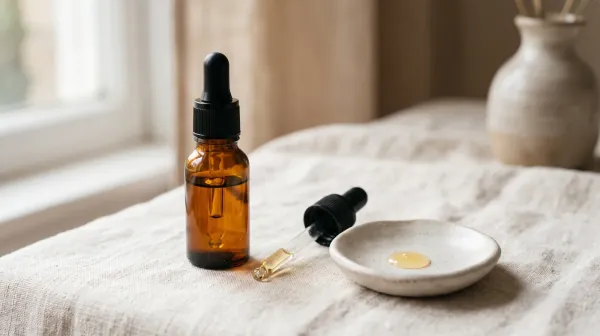 fish oil and acneomega-3
Fish oil and acne: omega-3 doses and evidence
Omega-3 fish oil reduced acne in a small 10-week trial and eased isotretinoin dryness in another. Doses used, the safe limit, and whether it can cause acne.
 gluten and acnegluten-free diet
Gluten and acne: does going gluten-free help?
No study shows that gluten causes acne or that going gluten-free clears it. What research on gluten, celiac disease and skin shows, and when to get tested.
 greasy food and acnefast food
Greasy food and acne: fried food, fast food, grease
Greasy food may affect acne through blood sugar more than grease, the American Academy of Dermatology says. What studies show on fried food, fast food and fat.
 high glycemic foodslow glycemic diet
High glycemic foods and acne: what trials show
Foods that raise blood sugar fast, such as white bread and sugary drinks, are linked to acne. What the low glycemic diet trials found, and which foods count.
 milk and acnedairy and acne
Milk and acne: skim, whole and what studies show
Skim milk has the strongest link to acne in studies, and every type of cow's milk shows some link. What research on milk, yogurt and cheese can tell you.
 vitamin a and acneacne supplements
Vitamin A and acne: doses, safety and pregnancy
High-dose vitamin A cleared acne in old trials at doses far above the safe limit, and it can cause birth defects. What research shows and what to use instead.
 whey protein and acneprotein powder
Whey protein and acne: shakes, isolate, back acne
Whey shakes are linked to acne in case reports and one gym study, while a 6-month trial found no worsening. What to know about isolate, back acne and stopping.
 zinc for acneacne supplements
Zinc for acne: dose, type, timing and safety
Oral zinc reduced red acne bumps in several trials and did less than an antibiotic in the largest one. Doses studied, the safe upper limit and timing.
 cleansergentle cleanser
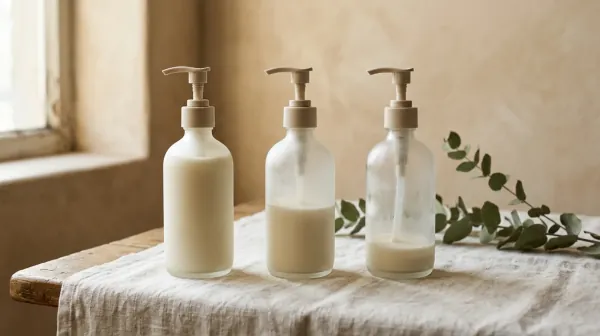
Gentle cleansers for a damaged skin barrier
A gentle cleanser for a damaged skin barrier is soap-free and fragrance-free, with no acids or scrubbing grains. What to look for and how to wash sore skin.
 skin barrierdamaged skin barrier
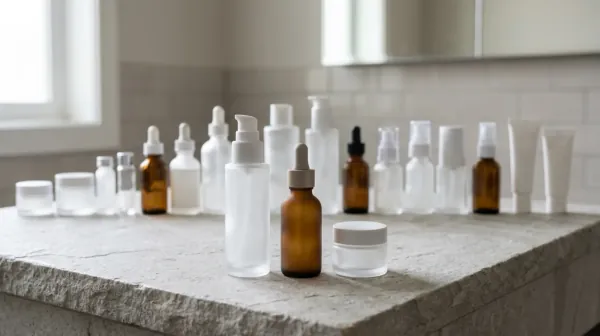
Damaged skin barrier: signs, causes and repair
A damaged skin barrier stings, turns red and flakes, usually from too many strong products. How to recognize it, repair it, and keep treating acne safely.
 purgingskin purging
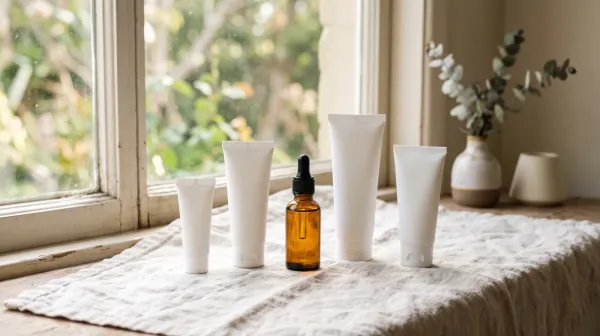
How long does skin purging last? Stages and timing
Drug labels place purging in the first weeks of a retinoid, with improvement by 6 to 12 weeks. The stages, the timeline by product, and when it lasts too long.
 skin barrierdamaged skin barrier
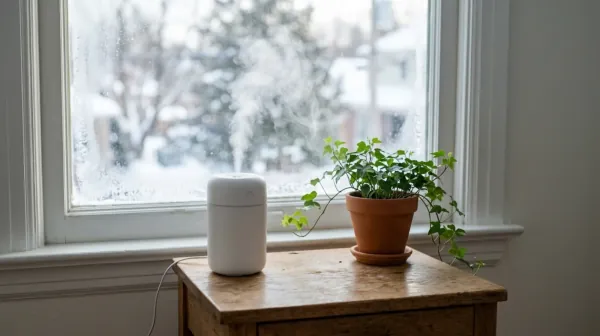
How to repair a damaged skin barrier, step by step
Repair a damaged skin barrier: stop the products that irritate it, wash gently, moisturize often and use sunscreen. Mild damage often eases in 2 weeks.
 moisturizerskin barrier
Moisturizer for a damaged skin barrier: what to use
A moisturizer for a damaged skin barrier is fragrance-free, with ingredients such as ceramides, glycerin or petrolatum. The evidence, and how to apply it.
 over-exfoliationbumps
Bumps after over-exfoliating: what they are
Tiny or red bumps after over-exfoliating are usually irritation, a breakout, or a rash such as contact or perioral dermatitis. How to tell them apart.
 over-exfoliationexfoliation
Over-exfoliated skin: signs and how to fix it
Over-exfoliated skin is red, raw, tight and stings with gentle products. How to stop the damage, how long healing takes, and when to exfoliate again.
 skin barrierdamaged skin barrier
Signs of a damaged skin barrier, and what causes it
Stinging from products that never stung, redness, tightness and flaking are the usual signs of a damaged skin barrier. How to check your skin, and the causes.
 skin barrieracne
Can a damaged skin barrier cause acne?
A damaged skin barrier and acne are linked: dry, irritated skin can break out more, and acne treatment strains the barrier. What studies show and what to do.
 tretinoinpurging
Tretinoin purging: timeline and what helps
Tretinoin labels say acne may look worse in the first weeks, with new pimples at 3 to 6 weeks and improvement by 6 to 12. The timeline, and how to ease it.
 skin barrierstinging
Why does my skincare sting? Causes and what to do
Skincare stings when the skin is irritated, dry or damaged, or when an ingredient irritates it. What a short sting means, and when to stop a product.
 birth controlhormonal acne
Birth control for acne: which pills help and how
Some combined birth control pills are FDA approved for acne. How they work, how long they take, who should not take them, and which methods can worsen acne.
 hormonal acneacne in men
Hormonal acne in men: causes and treatment
Men get hormonal acne too. How androgens, testosterone therapy and steroids affect acne in men, and which treatments fit, since spironolactone is for women.
 hormonal acnehormonal acne treatment
Hormonal acne treatment: what works, step by step
How to treat hormonal acne: the skin products to start with, when to see a dermatologist, and prescription options such as spironolactone and the pill.
 jawline acnehormonal acne
Jawline acne: causes and what helps
Jawline acne is often tied to hormones in adult women, but chin straps, shaving and makeup can cause it too. What the AAD says about causes and treatment.
 menopause acneperimenopause
Menopause acne: causes and treatment
Acne can start or return in perimenopause and after menopause. Why hormones shift toward androgens, what it looks like, and which treatments fit older skin.
 hormonal acnenatural remedies
Natural remedies for hormonal acne: what works
What the evidence shows for spearmint tea, green tea, tea tree oil, diet, stress and weight loss for hormonal acne, and which natural products carry risks.
 pcos acnepmos
PCOS acne: signs, causes and treatment
PCOS, now also called PMOS, can cause acne through high androgens. The signs that point to it, how doctors diagnose it, and how PCOS acne is treated.
 period acnehormonal acne
Period acne: why it happens and how to prevent it
Period acne is a flare of pimples in the days before a period. What studies show about timing and hormones, and how to prevent the monthly breakout.
 pregnancy acnehormonal acne
Pregnancy acne: causes, timing and safe care
Acne during pregnancy is common and usually tied to hormones. When it is worst, which acne medicines must stop, and what ACOG and the AAD say you can use.
 spironolactonehormonal acne
Spironolactone for acne: uses and side effects
Spironolactone is a prescription pill that treats hormonal acne in women. How well it works, how long it takes, side effects, potassium, and pregnancy rules.
 hormonal acnesupplements
Supplements for hormonal acne: the evidence
What studies show for zinc, DIM, probiotics, vitamins, fish oil, saw palmetto and vitex for hormonal acne, and the supplement risks to know about in pregnancy.
 hormonal acneadult acne
When does hormonal acne stop? Ages and timelines
Hormonal acne fades with age for most people, but it can last into the 40s and 50s. What surveys show by age, what changes it, and why waiting it out can scar.
 body acneback acne
Acne body wash: benzoyl peroxide or salicylic acid
An acne body wash uses benzoyl peroxide or salicylic acid. How each works on back and chest acne, how long to leave it on, and how to use it.
 acne mechanicaback acne
Acne mechanica: backpacks, straps and tight clothes
Acne mechanica is acne from rubbing, pressure and trapped heat under straps, gear and tight clothes. How to spot it, treat it and stop it coming back.
 body acnekeratosis pilaris
Acne on arms and thighs, and inner thigh blackheads
Bumps on the arms and thighs are often keratosis pilaris or folliculitis, and paired blackheads in the inner thigh can point to hidradenitis suppurativa.
 neck acnebody acne
Acne on the back of the neck: causes and treatment
Bumps on the back of the neck can be acne, a reaction to hair products, folliculitis or acne keloidalis nuchae. What causes each and what helps.
 folliculitisbody acne
Folliculitis or acne? How to tell body bumps apart
Folliculitis and body acne look alike but have different causes and treatments. Signs that point to each, what helps, and when to see a doctor.
 body acneback acne
Body acne spray: does it work and how to use it
A body acne spray is a leave-on acne medicine, most often 2% salicylic acid, that reaches your back. How it works, how to use it, and what it cannot do.
 body acneback acne
Body acne: how to get rid of it and what causes it
Body acne is acne on the chest, back, shoulders and other body skin. What causes it, how to treat it at home, and when to see a dermatologist.
 cystic acneback acne
Cystic acne on the back: causes and treatment
Cystic back acne means deep, painful lumps on the back. Why store products cannot clear it, what a dermatologist uses, and how to limit scars while you wait.
 hair productsback acne
Can shampoo and conditioner cause back acne?
Oily hair products can clog pores where they touch the skin, and conditioner rinses over the back and shoulders. How to test your products and what to change.
 shoulder acnebody acne
Shoulder acne: what causes it and how to treat it
Shoulder acne is acne on the shoulders, often worse where straps, pads and sweat sit. What causes it, how to treat it, and when the bumps are something else.
 sweatworkout
Does sweat cause acne? Sweat and body acne
Trapped sweat, rubbing and unwashed gym clothes can add to body acne. What the research shows about sweat, and how to work out without more breakouts.
 benzoyl peroxideacne
Benzoyl peroxide: what it does and how to use it
Benzoyl peroxide is an acne medicine that kills acne bacteria. Sold at 2.5% to 10%, it is a first-choice acne treatment. How it works, how to use it, the risks.
 benzoyl peroxidebefore and after
Benzoyl peroxide before and after: what to expect
Benzoyl peroxide lowers acne bacteria within 1 to 2 weeks, but fewer pimples take 4 to 8 weeks and full results 12. What trials measured and how to track yours.
 benzoyl peroxideacne scars
Does benzoyl peroxide help acne scars?
Benzoyl peroxide clears acne, which prevents new scars and dark marks. What trials show, and what treats the scars and marks you already have.
 benzoyl peroxidefolliculitis
Benzoyl peroxide for folliculitis: does it help?
Benzoyl peroxide kills folliculitis germs in lab tests, but trials in folliculitis are few. What the evidence shows, how to use it, and when to see a doctor.
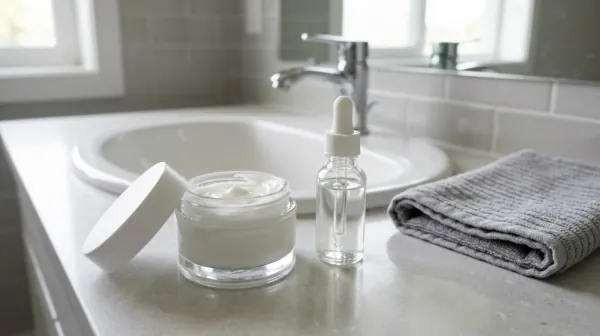 benzoyl peroxidemoisturizer
Benzoyl peroxide and moisturizer: which goes first?
Benzoyl peroxide dries the skin, and dermatologists pair it with a daily moisturizer. Which goes first, what ceramides add, and which moisturizers to pick.
 benzoyl peroxidegel
Benzoyl peroxide cream or gel: which to choose?
Benzoyl peroxide cream, gel and lotion are sold over the counter at 2.5% to 10%. They share one FDA label. How the forms differ and how to use each one.
 benzoyl peroxidepurging
Does benzoyl peroxide cause purging?
Benzoyl peroxide labels list irritation as the early side effect, and trials saw pimples drop from week 2. Why acne can look worse at first, and what to do.
 benzoyl peroxideclindamycin
Clindamycin and benzoyl peroxide gel: how it works
Clindamycin and benzoyl peroxide gel is a prescription acne gel that pairs an antibiotic with benzoyl peroxide. How to use it, side effects and storage.
 benzoyl peroxideside effects
Is benzoyl peroxide safe? Side effects and allergy
Benzoyl peroxide is a well-studied acne medicine. Its common side effects are dryness and redness. What to know about allergy, benzene, pregnancy and storage.
 benzoyl peroxidebleaching
Does benzoyl peroxide bleach skin, hair or towels?
Benzoyl peroxide bleaches hair and dyed fabric, so the FDA requires a warning on every label. Dermatologists say it does not lighten skin. How to avoid stains.
 benzoyl peroxidebenzoyl peroxide strength
Benzoyl peroxide 2.5%, 5% or 10%: which strength?
Store benzoyl peroxide comes at 2.5% to 10%. Trials found 2.5% cleared red pimples as well as 5% and 10%, with less irritation than 10%. What each number means.
 benzoyl peroxideface wash
Benzoyl peroxide face wash: how and when to use it
A benzoyl peroxide face wash is a rinse-off acne cleanser sold at 2.5% to 10%. How long to leave it on, how often to use it, and how it compares with a gel.
 miliawhat is milia
What is milia? Causes, removal and lookalikes
Milia are tiny, firm white bumps of trapped keratin. What they are, why they form, how to get rid of them safely, and which bumps only look like milia.
 miliawhite bumps on face
White bumps on the face that are not milia
Sebaceous hyperplasia, syringomas, whiteheads, molluscum and some skin cancers can look like milia. How the sources describe each, and when to see a doctor.
 miliawhiteheads
Milia vs whiteheads: how to tell them apart
Whiteheads are clogged pores and a form of acne. Milia are tiny keratin cysts under the skin. How they differ in feel, place, cause and treatment.
 miliawhat causes milia
What causes milia? Primary and secondary causes
Most milia appear on their own. Others follow burns, blisters, strong peels, lasers, steroid creams or some medicines. What the medical sources list.
 miliababy milia
Baby milia: newborn white spots explained
Milia are tiny white spots on many newborn faces. They need no treatment and usually clear within weeks. What they look like and when to call a doctor.
 miliamilia on lips
Milia on lips: causes, lookalikes and removal
White bumps on the lips are sometimes milia, but Fordyce spots and cold sores are common lookalikes. How to tell them apart and who can remove them.
 miliamilia under eyes
Milia under the eyes and on the eyelids
Milia often form under the eyes and on the eyelids. Why they gather there, why you should never pick them, and how a doctor removes them safely.
 miliaexfoliation
Salicylic and glycolic acid for milia
No study shows that salicylic or glycolic acid clears milia, and clinic peels can cause them. How gentle exfoliation fits in, and the safety rules for acids.
 miliaretinol
Retinol, adapalene and tretinoin for milia
Topical retinoids are on the medical list of milia treatments, but the evidence is a few case reports. What they can do, how to use them, and where not to.
 miliamilia removal at home
Can you pop milia? Why home removal goes wrong
Milia are closed cysts of hard keratin, so they do not pop like pimples. What happens if you squeeze or cut one at home, and what to do instead.
- miliamilia removal
Milia removal: how doctors extract milia
Milia removal is done by a clinician who opens the skin over each bump and lifts out the keratin inside. The methods, who does it and whether milia return.
 accutaneisotretinoin
Can you drink on Accutane? Alcohol and isotretinoin
The NHS advises no alcohol on Accutane, and the FDA label ties alcohol to high blood fats. What the sources say about drinking, the liver and blood tests.
 accutaneisotretinoin
Accutane and depression: the label and the studies
Accutane's label warns of depression, psychosis and, rarely, suicide. What studies found, the warning signs, and where to get help now: call or text 988.
 accutaneisotretinoin
Accutane and pregnancy: the risks and iPLEDGE rules
Isotretinoin can cause severe, life-threatening birth defects. What the FDA label and iPLEDGE require before, during and after Accutane, in plain words.
 accutaneisotretinoin
Accutane before and after: results and relapse
What trials, the FDA label and dermatologists report about Accutane results: how many people clear, how long it takes, how often acne returns, and scars.
 accutaneisotretinoin
Accutane lips: why they dry out and what helps
Dry, cracked lips are among the most common Accutane side effects. Why it happens, how long it lasts, what dermatologists suggest, and when to call.
 accutaneisotretinoin
Accutane hair loss and weight changes: the evidence
Does Accutane cause hair loss or weight gain? What the FDA label lists, what studies found, whether hair grows back, and why the dose is set by body weight.
 accutaneisotretinoin
Accutane purge: why acne can flare at the start
Acne can get worse in the first weeks of Accutane. What the FDA label and dermatologists say about this flare, how long it lasts, and when it needs a doctor.
 accutaneisotretinoin
Accutane side effects: common, serious and lasting
The Accutane side effects the FDA label lists: the common dryness, the serious warning signs to act on, and the effects that can last after treatment ends.
 accutaneisotretinoin
Accutane (isotretinoin): uses, risks and results
Accutane is isotretinoin, a prescription pill for severe acne. How it works, who it is for, the iPLEDGE rules, the risks, the results and how to start.
 accutaneisotretinoin
How long does Accutane take to work? A timeline
An Accutane course runs 15 to 20 weeks. What the FDA label, trials and dermatologists say about when acne starts to clear, and what happens after.
 accutaneisotretinoin
How to get Accutane: prescriber, iPLEDGE, pharmacy
Accutane needs a prescriber enrolled in iPLEDGE, blood tests, monthly check-ins and a certified pharmacy. The steps, and the insurance questions to ask.
 accutaneisotretinoin
Low dose Accutane: what the label and studies say
Low dose and microdose Accutane are prescriber decisions. What the FDA label, NICE and studies say about lower doses, results, side effects and relapse.
 azelaic acidacne
What is azelaic acid? Benefits, uses and risks
Azelaic acid is an acid found in grains and made by the body. It treats acne and rosacea bumps and fades acne marks. What it does, the evidence and the risks.
 azelaic acidbefore and after
Azelaic acid before and after: what to expect
Azelaic acid takes 4 to 12 weeks to show results for acne, rosacea and marks. What trials measured week by week, what results looked like, and how to track it.
 azelaic acidpregnancy
Is azelaic acid safe during pregnancy?
The AAD says azelaic acid is thought to be safe in pregnancy, and its labels say little reaches the body. What labels and studies say, and what to ask.
 azelaic acidacne
Does azelaic acid help with acne? What trials show
Azelaic acid helps mild to moderate acne. Trials found it matched tretinoin and did less than benzoyl peroxide. How it works, how to use it, and its limits.
 azelaic acidperioral dermatitis
Azelaic acid for perioral dermatitis: the evidence
Azelaic acid is sometimes used for perioral dermatitis, but a 2022 review found the gel made no clear difference. What studies show and what doctors use.
- azelaic acidrosacea
Azelaic acid for rosacea: what the trials show
Azelaic acid 15% gel and foam are FDA-approved for the red bumps and pus bumps of rosacea. What the trials found, how to use it, and what it does for redness.
 azelaic acidazelaic acid serum
Azelaic acid gel, cream, foam or serum: which one?
Azelaic acid comes as a 15% gel or foam for rosacea, a 20% cream for acne, and serums sold in stores. How each form differs, how much to use and where it goes.
 azelaic acidazelaic acid strength
Azelaic acid 10%, 15% or 20%: which strength?
Azelaic acid 15% gel and foam treat rosacea and 20% cream treats acne, both by prescription. What the labels say and what studies show for 10% products.
 azelaic acidniacinamide
Can you use azelaic acid with niacinamide?
Yes. No label forbids azelaic acid with niacinamide, and each has evidence for acne and marks. No trial tested the pair. How to layer them and what to expect.
 azelaic acidtretinoin
Azelaic acid and tretinoin: how they compare
Azelaic acid matched tretinoin for acne in trials, with fewer side effects, and the two have been used together. What studies and labels say about combining.
 azelaic acidpurging
Does azelaic acid cause purging? What labels say
Azelaic acid labels list stinging, itching and dryness in the first weeks, and no early acne flare. What studies saw, and when a reaction needs a doctor.
 azelaic acidexfoliant
Is azelaic acid an exfoliant? How it differs
Azelaic acid is a dicarboxylic acid, a separate family from AHAs and BHAs. It changes how skin cells shed in pores. How it compares and what to pair it with.
 acne scarsacne scar treatment
Acne scar treatment: every option, compared
Acne scar treatment compared: lasers, microneedling, peels, subcision, fillers and creams. What each suits, what studies found, the risks, cost and recovery.
 acne scarshome remedies
Home remedies for acne scars: what evidence shows
No home remedy removes acne scars in a week. What the evidence says about aloe, vitamin E, lemon and baking soda, and the home steps that do help.
 acne scarstretinoin
Does tretinoin help acne scars? What studies show
Tretinoin and other retinoids can make mild acne scars less noticeable and help prevent new ones. Deep scars need procedures. What trials found, how to use it.
 acne scarsdermal fillers
Dermal fillers for acne scars: types and risks
Dermal fillers lift sunken acne scars by adding volume under them. Which fillers are used, how long each lasts, what trials found, and the rare serious risks.
 acne scarssubcision
Subcision for acne scars: how it works, results
Subcision frees rolling acne scars from the bands of tissue that pull them down. What studies found, the side effects, recovery, and why scars can sink again.
 acne scarschemical peel
Chemical peels for acne scars: which peel, risks
Chemical peels help skin rebuild collagen under acne scars. Which peels suit each scar type, healing time by depth, and why strong home peels are risky.
 acne scarsmicroneedling
Microneedling for acne scars: what to expect
Microneedling uses tiny needles to make skin build collagen under sunken acne scars. What trials found, how many sessions, the risks, and who should skip it.
 acne scarslaser treatment
Laser treatment for acne scars: results and risks
Lasers make acne scars less noticeable over several sessions. Which lasers dermatologists use, what studies found, the recovery, and the risks for darker skin.
 acne scarsback acne
Back acne scars: how to get rid of them
How to get rid of back acne scars: stop new breakouts, let dark marks fade, then see a dermatologist for dents, raised scars and keloids on the back and chest.
 acne scarshypertrophic scars
Raised acne scars: hypertrophic scars and keloids
Hypertrophic acne scars often flatten over time, and keloids keep growing. How dermatologists treat raised scars, what silicone gel can do, and what to avoid.
 acne scarsfading
Are acne scars permanent? What fades, what stays
Sunken acne scars and keloids stay unless treated, while red or dark color fades. How long scars take to settle, and why some look worse with age.
 acne scarsice pick scars
Types of acne scars: ice pick, boxcar, rolling
Acne scars are sunken (ice pick, boxcar, rolling) or raised (hypertrophic, keloid, papular). How to tell them apart and why the type decides treatment.
 blind pimpledeep pimple
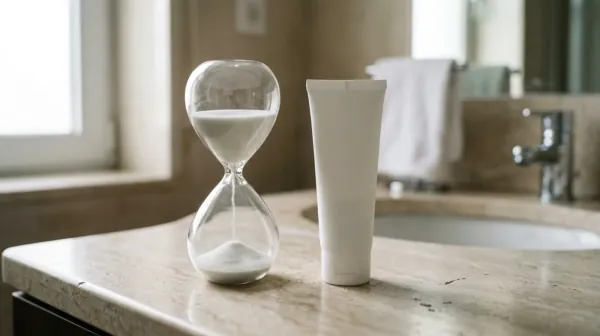
Blind pimple: what it is and how to treat it
A blind pimple is a sore bump under the skin with no head. What causes it, the home steps dermatologists advise, and when a doctor should treat it.
 diy pimple patchhydrocolloid
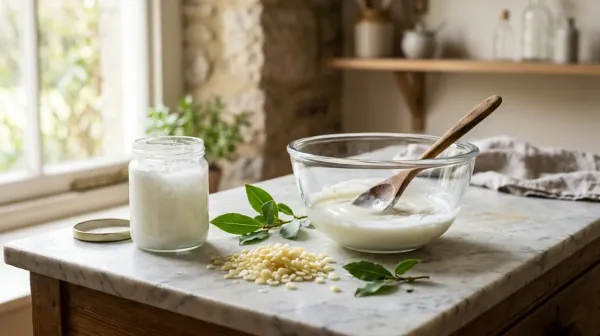
DIY pimple patch: what works and what to skip
A plain hydrocolloid dressing cut to size is the closest home version of a pimple patch. Which DIY patches are safe, which home remedies irritate skin, and why.
 pimple patchesblackheads
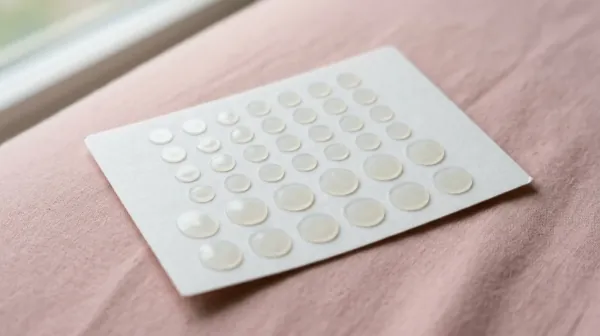
Do pimple patches work on blackheads?
Pimple patches draw fluid out of pimples, and a blackhead is a plug of oil and dead skin cells. What patches can do for blackheads, and what clears them.
 pimple patcheshydrocolloid
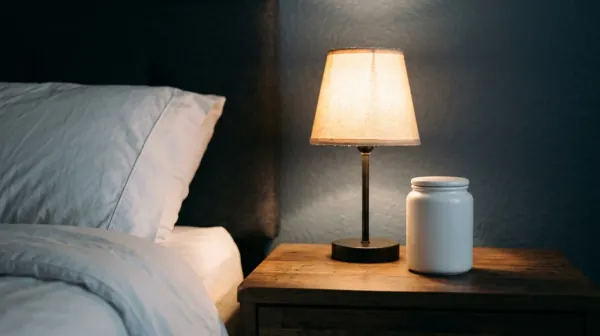
How long to leave a pimple patch on
In the one published trial, pimple patches were changed every two days. How long to wear one, why it turns white, and when to take it off early.
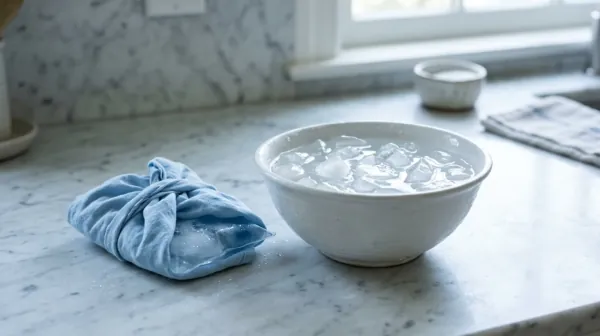 ice on pimplepainful pimple
Ice on a pimple: does it help?
Dermatologists say ice relieves the pain of a sore pimple and reduces swelling. How to use it without hurting your skin, and what ice cannot do.
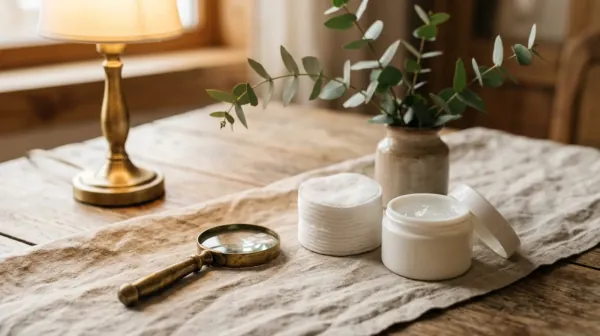 microneedle patchespimple patches
Microneedle pimple patches: do they work?
Microneedle pimple patches have tiny points that dissolve into a pimple. What one trial found, what is still unknown, and who should skip them.
 pimple on tonguelie bumps
Pimple on tongue: what it is and how to treat it
A sore bump on the tongue is often an inflamed papilla or a mouth ulcer. What causes it, how to ease it at home, and when a dentist or doctor should check it.
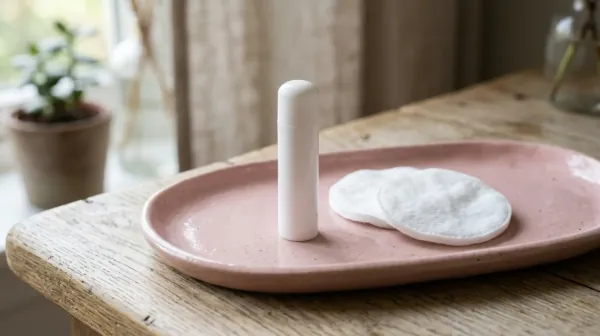 cold sorepimple patches
Can you put a pimple patch on a cold sore?
A cold sore is a virus, so treat it as a cold sore. Why a cold sore patch or antiviral cream is the better choice, and how to avoid spreading the virus.
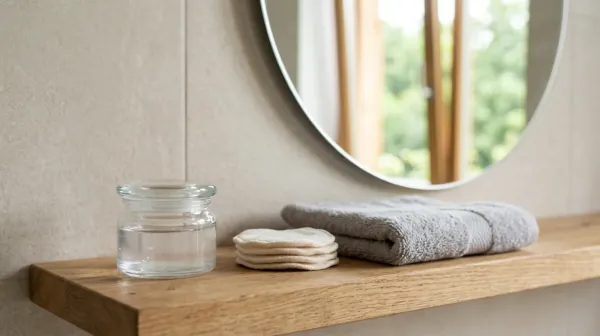 popping pimplesspot care
Should you pop a pimple? What dermatologists say
Dermatologists advise against popping pimples at home: it pushes bacteria deeper and can leave scars and dark marks. What to do instead, and when to get help.
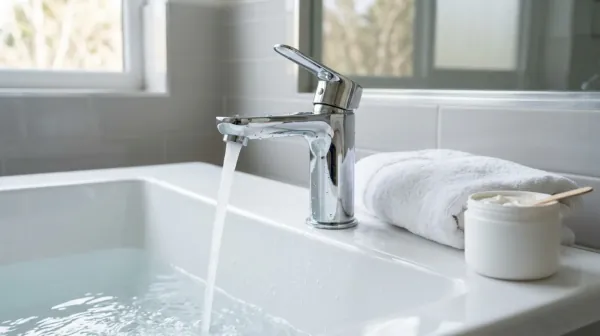 warm compressdeep pimple
Warm compress for a pimple, including on the lip
How to use a warm compress on a deep pimple, how long and how often, what to check first when the spot is on your lip, and when a doctor should see it.
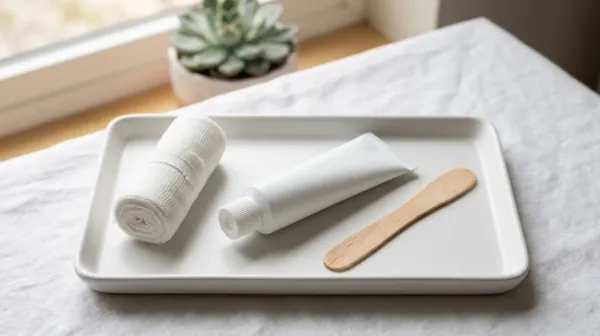 popped pimplepimple aftercare
What to do after popping a pimple
Popped a pimple? Clean it, keep it moist, cover it and leave it alone. The steps dermatologists give, the signs of infection, and what to do for a popped cyst.
 blackheadsear
Blackheads in your ear: causes and safe care
Blackheads can form in the bowl of the outer ear. How to treat them, why to keep fingers and tools out of the ear canal, and when an ear lump needs a doctor.
 blackheadsback acne
Blackheads on your back: why and what helps
Back blackheads form like facial ones, with sweat, straps and friction adding to them. How to treat them, what to skip, and when to see a dermatologist.
 blackheadsnose
How to get rid of blackheads on your nose
The nose is the most common place for blackheads. How to clear them with adapalene and gentle care, what to skip, and how to tell them from sebaceous filaments.
 closed comedoneswhiteheads
Closed comedones: causes and how to clear them
Closed comedones are whiteheads: pores plugged with oil and dead skin under a closed top. What causes them, how to tell them from milia, and what clears them.
 comedone extractorwhiteheads
Comedone extractors for whiteheads: are they safe?
A comedone extractor presses plugs out of pores. What dermatologists use it for, what a 2024 trial found, and the risks of using one on whiteheads at home.
 blackheadsdermatologist
How a dermatologist removes blackheads
Dermatologists clear blackheads with extraction, prescription retinoids, chemical peels and light treatments. What each involves, and when to book a visit.
 blackheadswhiteheads
How to get rid of blackheads: what works
Blackheads clear with a retinoid such as adapalene, a benzoyl peroxide wash, gentle care and 6 to 8 weeks. What works, what to skip, and when to see a doctor.
- whiteheadsclosed comedones
How to get rid of whiteheads without picking
Whiteheads clear with a retinoid such as adapalene, a benzoyl peroxide wash and 6 to 8 weeks. What works, what the white stuff is, and why squeezing hurts.
 blackheadspore strips
Pore strips for blackheads: do nose strips work?
Pore strips lift the tops of blackheads and oil plugs, and pores can refill within 30 days. What studies show, the risks, and what clears blackheads for longer.
 blackheadsacne causes
What causes blackheads, and how to stop new ones
Blackheads form when oil and dead skin cells plug a pore that stays open. What drives the plug, which habits add to it, and how to stop new ones forming.
- whiteheadsnose
Whiteheads on your nose: causes and treatment
White bumps on the nose can be whiteheads, milia or sebaceous filaments. How to tell them apart, what causes each, and what clears whiteheads on the nose.
 darker skinskin of color
Acne on darker skin: care that avoids dark marks
Acne on brown and black skin often leaves dark spots, so treat it early and gently. What works, which products to avoid, and when to see a dermatologist.
- acne serumacne treatment
Acne serums: how to read the label first
An acne serum works only if its Drug Facts box lists an acne ingredient, such as salicylic acid 0.5 to 2% or benzoyl peroxide 2.5 to 10%, at a legal strength.
- spot treatmentpimples
Acne spot treatment: when dabbing one pimple helps
A spot treatment helps one pimple on clear skin once it reaches the surface, but acne that keeps coming back needs a thin layer on the whole area instead.
 blackheadswhiteheads
Adapalene for blackheads and whiteheads
The AAD recommends a retinoid to unclog blackheads and whiteheads and names adapalene as the one you can buy. Here is what the sources say about using it.
- adapalenetretinoin
Adapalene vs tretinoin for acne: what differs
Both are topical retinoids approved for acne. Adapalene 0.1 percent gel is over the counter and tretinoin needs a prescription. Here is how the labels compare.
- adult acneacne treatment
Adult acne: causes and what helps
Adults get acne from hormone changes, stress, family history, pore-clogging products, medicines or an illness, and mild cases often clear with store products.
- ahabha
Can you use AHA and BHA together?
Yes, with spacing. Studies combine glycolic and salicylic acid, but the AAD warns against over-exfoliating. Use them less often and wear sunscreen daily.
 azelaic aciddark spots
Azelaic acid for dark spots: what it does
Azelaic acid treats acne and the dark marks acne leaves. How it works on pigment, what the trials found, how to use it, and the one warning for dark skin.
 azelaic acidretinol
Can you use azelaic acid with retinol?
Yes. Studies paired azelaic acid with tretinoin and with retinol, and no label forbids it. Keep the retinoid at night, and ask your prescriber first.
- back acnebacne
How to get rid of back acne, step by step
Back acne clears with a benzoyl peroxide wash left on 2 to 5 minutes, adapalene gel once a day, loose clothes when you sweat, and 6 to 8 weeks of steady use.
 benzoyl peroxidevitamin c
Can you use benzoyl peroxide with vitamin C?
No skin study has tested benzoyl peroxide with vitamin C, and benzoyl peroxide breaks down other skin antioxidants, so use the two at different times of day.
- acne treatmentbenzoyl peroxide
Best acne treatments, according to the guidelines
The best-rated acne treatments are benzoyl peroxide and retinoids such as adapalene, and the UK guideline's first choice for any acne combines the two.
- blackheadswhiteheads
Blackheads vs whiteheads: what is the difference
Blackheads and whiteheads are both pores plugged with oil and dead skin cells, but a whitehead's opening is sealed and a blackhead's is open to the air.
 skincare routinebeginner
How to build a skincare routine from scratch
Build a skincare routine from scratch by matching a cleanser, moisturizer and sunscreen to your skin type, reading labels, then adding one product at a time.
- butt acnefolliculitis
Butt acne: what causes it and what helps
Butt bumps can be folliculitis, keratosis pilaris, acne or hidradenitis suppurativa. Each needs different care, and deep lumps that return need a doctor.
- dry skinacne
Can dry skin cause acne and pimples?
Dry skin can lead to more breakouts: dermatologists say dry, irritated skin makes more oil and raises acne risk. How to treat acne when your skin is also dry.
- eczemaeczema cure
Can eczema be cured permanently? What to expect
Atopic eczema has no cure today. Treatment can control it, many children outgrow it, and contact dermatitis often clears once its cause is avoided.
- niacinamidebreakouts
Can niacinamide cause acne or purging?
Niacinamide is not known to cause acne or purging: in acne trials, 4 and 5 percent gels reduced pimples and caused no major side effects.
- rosacearosacea cure
Can rosacea be cured or go away for good?
The AAD, NHS and NIH say rosacea has no cure yet. Treatment can control it and stop it getting worse. What that means over the years, and why early care helps.
- salicylic acidpurging
Can salicylic acid cause breakouts or purging?
Salicylic acid can make acne look worse for the first few days. How that differs from a breakout caused by irritation, and when to stop the product.
 sunscreentanning
Can you tan with sunscreen on? What happens
You can still tan with sunscreen, because no sunscreen blocks all UV light. Why the FDA and AAD say no tan is safe, and how little a tan protects.
- chest acnebody acne
How to get rid of chest acne
Chest acne is treated like face acne: a benzoyl peroxide or salicylic acid wash, adapalene on the whole area, loose clothes, and 6 to 8 weeks of steady use.
- cleanseracne routine
How to choose a cleanser for acne-prone skin
The best cleanser for acne-prone skin is a gentle, soap-free, non-comedogenic wash, used twice a day and after sweating.
- combination skinskin types
Combination skin: how to care for two skin types
Combination skin is oily in some areas, often the forehead, nose and chin, and dry in others. How to spot it and how to split one routine between the two.
- cystic acnenodular acne
Cystic acne: what it is, causes and treatment
Cystic acne is the most severe type of acne, with deep, painful lumps that often scar, and it needs a dermatologist because store products cannot clear it.
- dark spotsacne marks
Dark marks after pimples: why they form and fade
Dark marks after pimples are flat spots of extra color that usually fade. Why acne leaves them, what makes them last, and the steps that help them fade.
- dark spotsskin of color
Dark spots on darker skin: what fades them
Why medium and dark skin tones get more dark spots, how visible light and irritation play a part, and the gentle, steady steps the AAD recommends.
- dehydrated skindry skin
Dehydrated skin vs dry skin: what the terms mean
Dermatologists treat dehydrated skin as a sign of dry skin, which lacks water and oil. How to tell tight but oily skin from dry skin, and what helps both.
- adapalenedifferin
Differin gel and adapalene: strengths and forms
Differin Gel 0.1 percent is sold without a prescription. The 0.3 percent gel and the cream need one. Here is how each adapalene product is labeled.
 sunscreendarker skin
Do Black people need sunscreen? What the AAD says
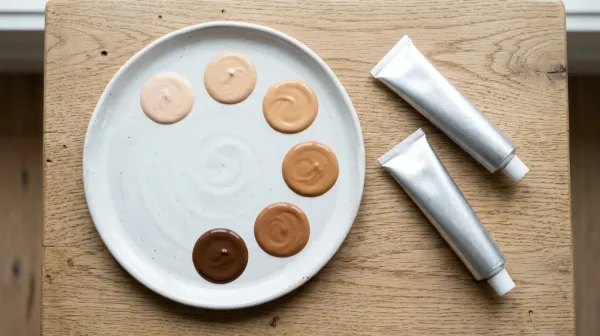
Yes. Dermatologists recommend sunscreen for every skin tone. Why darker skin needs it, how skin cancer shows up, and why tinted sunscreen helps dark spots.
 eczemadoes eczema go away
Does eczema go away? Children and adults
Many children outgrow eczema: in one review, 80 percent of childhood cases did not last 8 years. In adults it tends to last or return, and control helps.
 retinoidpurging
Does retinol make acne worse at first?
Labels say acne may look worse early on with a retinoid, yet two analyses of trial data found no flare. Here is what each source says and where they differ.
- retinolretinoid
Does retinol work for acne? What the evidence says
The AAD's acne guideline names four retinoids and not retinol. Here is what the guidelines, one AAD page and small studies say about retinol for acne.
 sunscreenexpiration date
Does sunscreen expire? How long it lasts
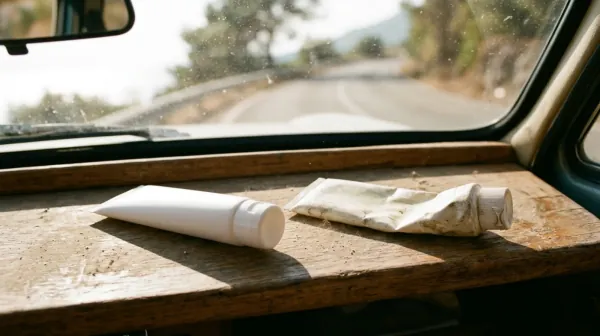
Sunscreen must keep its strength for at least 3 years. How to read the date, what to do with no date, and how heat and storage change how long it lasts.
- dry skinflaky skin
Dry, flaky patches on your face: causes and care
Dry patches on the face come from dry skin, a reaction to a product, acne treatment, or a rash such as seborrheic dermatitis. How to tell and what helps.
- eczemaeczema triggers
What causes eczema flare-ups? Common triggers
Soap, fragrance, heat and sweat, cold dry air, stress, infections and some allergens can set off an eczema flare-up. How to find your own triggers.
- eczemaeczema on face
Eczema on the face: causes and how to treat it
Eczema on the face is common in babies and shows up around the eyes in adults. What causes it, what a doctor may prescribe, and why face skin needs care.
- eczemadry skin
Eczema vs dry skin: how to tell them apart
Dry skin comes from dry air, hot water or soap and often improves within 2 weeks of care. Eczema itches more, comes back in flare-ups and needs a doctor.
 sunscreenfitzpatrick scale
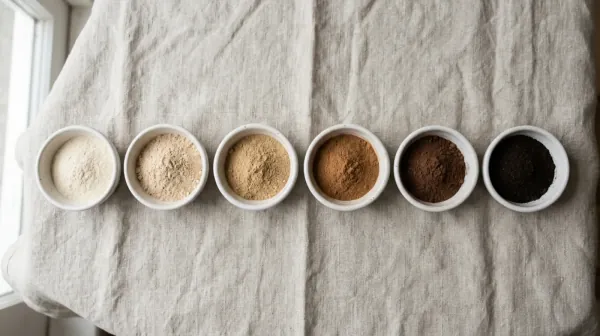
The Fitzpatrick skin scale: the six skin types
The Fitzpatrick scale sorts skin into six types by how it burns and tans. The FDA wording for each type, how to find yours, and why every type needs sunscreen.
- forehead acnechin acne
Forehead and chin acne: common causes
Forehead acne is often linked to hair oil, hair products, hats and helmets, while chin and jawline acne in adult women can be hormonal.
- fungal acnemalassezia folliculitis
Fungal acne: what it is and how doctors treat it
Fungal acne is a yeast infection of the hair follicles that causes small, itchy bumps that all look alike, and it is treated with antifungal medicine.
- glycolic acidretinol
Can you use glycolic acid with retinol?
Avoid layering two separate products. The AAD says each can irritate skin, and an NHS leaflet says to avoid glycolic acid with adapalene. Here is what to do.
 sunscreenspf
How does sunscreen work, and what does SPF mean?
Sunscreen absorbs ultraviolet light before it damages skin. What SPF 15, 30 and 50 block, what broad spectrum means, and how the FDA tests both.
- dark spotsacne marks
How long do dark marks take to fade?
A flat dark mark a few shades darker than your skin usually fades in 6 to 12 months, per the AAD. Deep blue-gray color can take years. What speeds it up.
- skincare routinelayering
How long to wait between skincare steps
How long to wait after washing, between layers, before sunscreen and before makeup, using the times the AAD and drug labels give.
- skincare routinebudget
How many skincare products do you need?
Most people need three skincare products: cleanser, moisturizer and sunscreen. When to add a fourth, how to keep costs down, and what labels promise.
- skincare routineexfoliation
When and how often to exfoliate your face
Where exfoliating fits in a skincare routine, how often to do it for your skin type, and when to skip it, based on AAD and FDA advice.
 sunscreenreapply
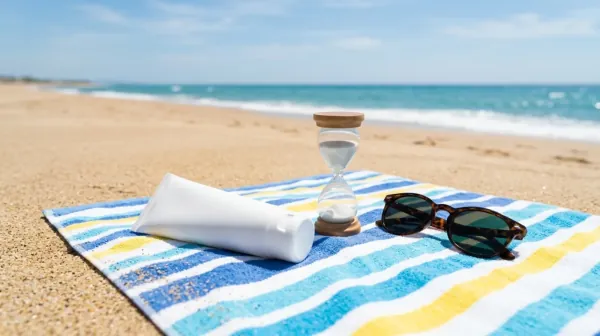
How often to reapply sunscreen, and why
Reapply sunscreen at least every 2 hours outdoors, and after swimming, sweating or towel drying. What the FDA label rules and the AAD say.
- rosacearosacea flare-up
How to calm a rosacea flare-up
What the AAD suggests when rosacea flares: cool down, remove the trigger, wash gently, protect from sun and wind, stay calm, and follow your doctor's plan.
 sunscreenspf
How to choose a sunscreen for your face
The best face sunscreen says Broad Spectrum, SPF 30 or higher and water resistant on the label, plus non-comedogenic if you get breakouts.
- skin typesoily skin
How to find your skin type: oily, dry or both
Wash with a mild cleanser, put nothing on, then check: tight skin after 30 minutes points to dry skin, and oil on blotting paper hours later points to oily.
- pimplesovernight
Can you get rid of a pimple overnight?
No home treatment clears a pimple overnight, but ice, benzoyl peroxide and a patch help, and a doctor's injection flattens most cysts in 48 to 72 hours.
- acne treatmentacne timeline
How to get rid of acne fast: realistic timelines
The fastest way to clear acne still takes 6 to 8 weeks: use a proven treatment on all acne-prone skin every day and do not switch products or pick.
- natural acne treatmenttea tree oil
How to get rid of acne naturally: the evidence
Tea tree oil is the best-studied natural acne remedy, but its evidence is weak, and most acne still needs benzoyl peroxide or adapalene to clear.
- acne treatmentbenzoyl peroxide
How to get rid of acne: a step by step plan
To get rid of acne, put adapalene, benzoyl peroxide or both on all acne-prone skin every day for 12 weeks, and see a doctor for deep or scarring acne.
 dark spotshyperpigmentation
How to get rid of dark spots on your face
To fade dark spots on your face, stop what causes them, wear sunscreen every day and add one proven fading ingredient, and see a doctor if a spot changes.
- pimplesacne treatment
How to get rid of pimples without popping them
To get rid of pimples, keep your hands off them and treat the whole area with benzoyl peroxide or salicylic acid. Deep, painful lumps need a doctor.
 skincare routinebeginner
How to start a skincare routine
To start a skincare routine, use a gentle cleanser, a moisturizer and SPF 30 sunscreen chosen for your skin type, then add other products one at a time.
- retinolretinoid
How to start retinol for acne without irritation
Test first, begin every other night, use a small amount at night, and build up. Here is what the AAD, the AAP and NICE say about starting a retinoid slowly.
- dry skinmoisturizer
How to treat dry skin on your face
Treat a dry face with warm water, a gentle fragrance-free cleanser, and a cream or ointment on damp skin. Dermatologists expect improvement in two weeks.
- eczemaeczema treatment
How to treat eczema: what a doctor may offer
Moisturizer is the base of every eczema plan. A doctor may add steroid or non-steroid creams, light treatment, pills or injections. What each one does.
- rosacearosacea treatment
How to treat rosacea: what a doctor may offer
Rosacea treatment is built around your signs: skin care, trigger control, creams, pills, and laser or light. What a doctor may offer, and how long it takes.
- niacinamideserum
How and when to use a niacinamide serum
Use niacinamide once or twice a day after cleansing and before moisturizer. Trials used it twice daily for 8 to 12 weeks. Morning, night and acne gel timing.
- salicylic acidhow to use
How to use salicylic acid on your face
Step by step: the 3-day test, how much to apply, where it goes in your routine, what to keep off the same skin, and how to adjust if it stings.
- hyaluronic acidretinol
Can you use hyaluronic acid with retinol?
Yes. The AAD says a daily moisturizer helps skin tolerate retinoids, and hyaluronic acid is a moisturizing ingredient it names. Here is how to use both.
- hyperpigmentationdark spots
Hyperpigmentation: what it is and what fades it
Hyperpigmentation is skin darker than normal from extra melanin, and the AAD says many spots fade once the cause stops, helped by daily sunscreen.
- eczemaautoimmune
Is eczema an autoimmune disease? What research says
Health bodies call eczema an inflammatory skin disease with an overactive immune system. Studies link it to autoimmune diseases, for reasons still unclear.
- eczemais eczema contagious
Is eczema contagious? What can and cannot spread
Eczema cannot pass from person to person. Infections on top of eczema, such as staph or the cold sore virus, can spread and need a doctor quickly.
- retinolsafety
Is retinol bad for you? Side effects and safety
Retinol's known risks are irritation, sun sensitivity and a pregnancy warning. Here is what the AAD, FDA, NIH and studies say about side effects and cancer.
- rosaceaautoimmune
Is rosacea autoimmune or contagious?
The AAD and NHS say rosacea is not contagious. It is an inflammatory condition, and studies link it with some autoimmune diseases. Here is what that link means.
- melasmadark spots
Melasma: causes, triggers and treatment
Melasma causes brown or gray patches on both sides of the face. What triggers it, why sun and visible light matter, and the treatments dermatologists use.
 sunscreenmineral sunscreen
Mineral vs chemical sunscreen: which is better?
Mineral sunscreen uses zinc oxide or titanium dioxide. What the AAD and FDA say about how each type works, safety, sensitive skin and choosing one.
- moisturizeracne routine
How to choose a moisturizer for acne-prone skin
Choose a moisturizer labeled oil-free, non-comedogenic or won't clog pores, in a light gel if your skin is oily and a cream if it is dry.
- retinolmoisturizer
Moisturizer with retinol: what to use and when
A daily moisturizer helps skin tolerate retinoids, the AAD says. Here is which kind to pick, how to time it with retinol, and what studies found about pairing.
- eczemamoisturizer
Moisturizing and bathing for eczema-prone skin
Short, warm baths, a gentle soap substitute and a thick fragrance-free moisturizer on damp skin. What the NHS and dermatologists advise, step by step.
- skincare routinemorning routine
Morning vs night skincare routine: what differs
What goes in a morning skincare routine, what goes in a night routine, which products belong to only one of them, and what happens if you skip one.
- niacinamidepregnancy
Is niacinamide safe during pregnancy?
No study has tested niacinamide skin care in pregnancy. What is known: it is a form of vitamin B3, gentle in skin tests, and absent from the AAD's avoid list.
 niacinamideacne
Does niacinamide help with acne? The evidence
Niacinamide may help acne: it matched an antibiotic gel in small 8-week trials, but the 2024 AAD guideline found too little evidence to recommend it.
 niacinamidedark spots
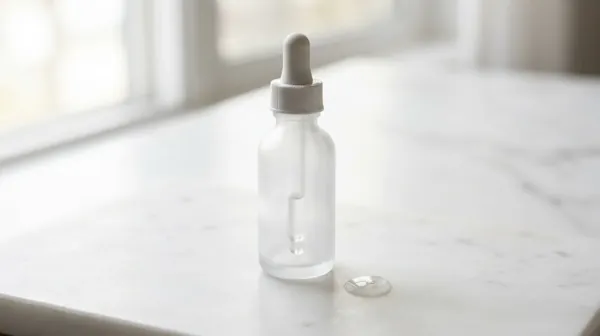
Niacinamide for dark spots: does it help?
Does niacinamide help dark spots? What the trials found for melasma and sun-related spots, the strengths they used, and the gap for acne marks on dark skin.
- niacinamidedry skin
Is niacinamide good for dry skin?
Niacinamide raised skin fats and cut water loss in small studies, and a 2% cream beat petrolatum on dry skin. How to use it without drying your face.
- niacinamideoily skin
Is niacinamide good for oily skin?
In a 100-person trial, 2% niacinamide lowered facial oil within 2 to 4 weeks. What that study found, its limits, and how to use niacinamide on oily skin.
 niacinamidepores
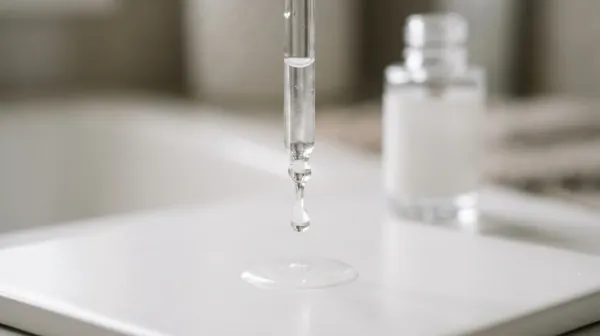
Does niacinamide shrink pores? What studies show
One 12-week trial found 4% niacinamide lowered pore counts by week 8. Oil, clogs and sun damage make pores look larger. What helps, by the evidence.
- niacinamidesensitive skin
Niacinamide for redness and sensitive skin
Niacinamide eased red blotchiness in 12-week trials and is gentle in safety tests. Rosacea evidence is thin, and oral vitamin B3 can trigger flares.
- niacinamidepercentage
Which niacinamide percentage should you use?
Niacinamide trials used 2 to 5 percent. Safety tests found no irritation up to 5% and no stinging up to 10%. What higher strengths add, and how to choose.
- niacinamideside effects
Niacinamide side effects and what they mean
Niacinamide side effects on skin are uncommon and mild: itching, burning, a rash or a greasy feel. What each one means, when to stop, and how pills differ.
- niacinamideniacin
Niacinamide vs niacin: pills, flushing and skin
Niacinamide and niacin are both vitamin B3. Niacin pills can cause flushing; niacinamide does not. What the pill trials found for skin cancer and acne.
 niacinamideretinol
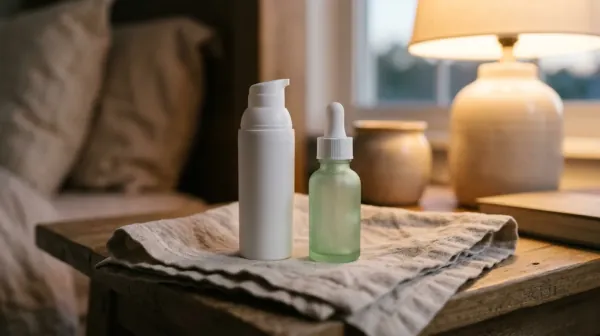
Can you use niacinamide with retinol?
Yes. A 2016 study put retinol 0.5% and niacinamide 4.4% in one cream, and by week 10 users reported no stinging. Start retinol slowly, at night.
 niacinamidetretinoin
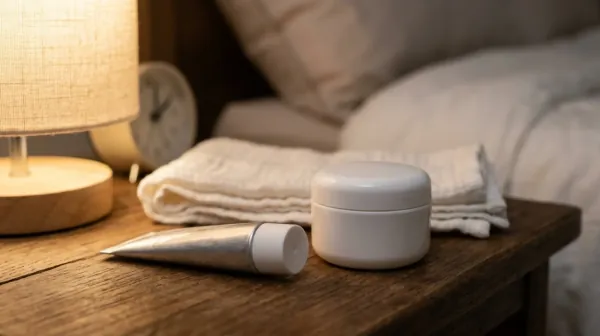
Can you use niacinamide with tretinoin?
Yes, if your prescriber agrees. A 2006 study paired tretinoin 0.025% with a niacinamide moisturizer. MedlinePlus says to use only non-medicated cosmetics.
 niacinamidevitamin c
Can you use niacinamide with vitamin C?
Yes. No guideline warns against it, and a 2025 trial of a serum holding both found it well tolerated. Here is what the sources say and how to add them.
- rosaceaocular rosacea
Ocular rosacea: when rosacea affects the eyes
Ocular rosacea can make eyes gritty, dry, red or sore, sometimes before any skin signs. The signs, who treats it, and when to get urgent care.
 oily skinskincare routine
Oily skin routine: how to control oil and shine
A morning and night routine for oily skin: gentle foaming wash, light oil-free moisturizer, sunscreen, blotting papers, and what to skip, per dermatologists.
- acne treatmentover the counter
Over-the-counter acne treatments: what to buy
The acne medicines you can buy without a prescription are benzoyl peroxide, salicylic acid, sulfur and adapalene 0.1% gel. Check the Drug Facts box for them.
- pimple on lipcold sore
Pimple on lip or cold sore? How to tell
A lip spot that starts with tingling, then blisters, is usually a cold sore. A painful red spot filled with pus is a pimple or boil. Do not pop either one.
 pimple on noseblackheads
Pimple on nose: causes and what to do
A nose pimple is usually ordinary acne: do not pop it, treat the whole area for 6 to 8 weeks, and get urgent care for a hard, painful boil on the face.
- pimple patcheshydrocolloid
Pimple patches: what they do and when they help
Pimple patches help one surface pimple heal and stop you picking it, based on one small 2006 trial, but they do not work on deep, painful acne.
- prescriptiontretinoin
Prescription retinoids for acne: the options
Tretinoin, tazarotene, trifarotene and adapalene 0.3 percent need a prescription. Here are the forms, ages and pregnancy rules on each FDA label.
- retinoiddryness
Retinoid dryness and peeling: what to do
Dryness and peeling are the most common side effects of a retinoid. Here is what the labels, the AAD and the AAP say about how long it lasts and how to ease it.
 benzoyl peroxideretinoid
Retinoid with benzoyl peroxide: can you use both?
Doctors combine a retinoid with benzoyl peroxide for acne. Here is what the AAD, NICE and the labels say about adapalene, tretinoin and retinol with it.
- retinoidsadapalene
Retinoids for acne: retinol, adapalene, tretinoin
Retinoids are vitamin A medicines that unclog pores, and the four the AAD lists for acne are adapalene, tretinoin, tazarotene and trifarotene, not retinol.
- teensretinoid
Retinoids for teens: what the sources say
The AAD advises tweens and teens to avoid retinol, but a dermatologist may recommend an acne retinoid. Here are the ages on each label and how to start.
- retinoltretinoin
Retinol and tretinoin for dark spots
Does retinol or tretinoin help dark spots? What the trials found for acne marks, sun spots and melasma, how long they take, and how to avoid new marks.
- retinolresults
Retinol before and after: what to expect by week
Retinol studies report changes at 4, 12, 24 and 52 weeks. Here is what each one measured, how acne and wrinkle timelines differ, and how to judge your own.
 retinoladapalene
Retinol vs adapalene for acne: how they differ
Adapalene 0.1 percent gel is an over-the-counter acne medicine and retinol is a cosmetic ingredient. Here is how the AAD, FDA and guidelines tell them apart.
- retinolretinoid
Retinol vs retinoid: is tretinoin a retinol?
Retinoid is the family name for vitamin A products used on skin, and retinol is one member. Here is how retinol, retinal, tretinoin and adapalene relate.
- rosacearosacea symptoms
Rosacea symptoms: signs on the skin and eyes
Rosacea symptoms include flushing, lasting redness, acne-like bumps, burning, visible blood vessels and sore eyes. Only a doctor can confirm the cause.
- rosacearosacea triggers
Rosacea triggers: how to find and avoid yours
Sun, heat, stress, alcohol, spicy food, wind and some skin products are common rosacea triggers. Triggers differ by person, so a 2-week diary helps find yours.
- rosaceaacne rosacea
Rosacea vs acne: how to tell them apart
Rosacea and acne can both cause red bumps, and they need different care. The signs that differ, why acne products irritate rosacea, and when to see a doctor.
- salicylic acidpregnancy
Salicylic acid during pregnancy: what sources say
The AAD calls salicylic acid generally safe for a limited time in pregnancy and says to ask your doctor first. Strength, peels and breastfeeding.
- salicylic acidacne treatment
Salicylic acid for acne: what it can and can't do
Salicylic acid helps mild acne with clogged pores. What the 2024 AAD guideline says, how long it takes, and which acne needs something stronger.
- salicylic acidblackheads
Salicylic acid for blackheads: how it works
Salicylic acid dissolves in oil and loosens the plug inside a pore. How to use it on blackheads, how long it takes, and when adapalene fits better.
- salicylic acidoily skin
Salicylic acid for oily skin: does it help?
Salicylic acid dissolves in oil and can reduce shine, but a harsh routine makes skin oilier. How to use it on oily, combination and dry skin.
- salicylic acidside effects
Salicylic acid side effects: dryness to allergy
Dryness, peeling and stinging are the usual side effects of salicylic acid. What to do about each, the rare serious signs, and when to get help.
- salicylic acidstrength
Salicylic acid strengths and forms explained
Acne products hold 0.5 to 2 percent salicylic acid by FDA rule. How cleansers, pads, serums, creams, body washes, shampoos and peels differ.
- salicylic acidglycolic acid
Salicylic acid vs glycolic acid: how they differ
Salicylic acid dissolves in oil and glycolic acid in water. How the two exfoliating acids compare for acne, sun sensitivity and irritation.
 salicylic acidniacinamide
Can you use salicylic acid with niacinamide?
Yes. Studies of products holding both found them well tolerated, and no label warns against the pair. Start one at a time and use sunscreen every morning.
 salicylic acidretinol
Can you use salicylic acid with retinol?
No, do not layer salicylic acid and retinol unless a doctor says so, because both dry and irritate skin and the two effects add up.
- sebaceous filamentsoily skin
Sebaceous filaments: do they mean oily skin?
Sebaceous filaments are thin plugs of skin oil and dead cells in the pores of the nose. What they are, how they differ from blackheads, and what helps.
- sensitive skinskin types
Sensitive skin: signs, triggers and gentle care
Sensitive skin stings or burns after products. Fragrance, preservatives, harsh soap and strong actives are common triggers. How to choose and test products.
- severe acnedermatologist
Severe acne: when to see a dermatologist
See a dermatologist for deep, painful lumps, scars or dark marks, acne that store products have not cleared, or acne that affects your mood.
 skin discolorationhyperpigmentation
Skin discoloration: causes and when to worry
Skin discoloration means patches darker or lighter than your normal skin. The common causes, how doctors find the cause, and which changes need a doctor.
- rosacearosacea skincare
Skincare for rosacea: a gentle daily routine
The AAD's skincare advice for rosacea: a mild cleanser, a fragrance-free cream moisturizer, daily sunscreen, and the ingredients and habits to avoid.
- skincare routineteens
A simple skincare routine for teens
What a teen skincare routine needs: a gentle cleanser, moisturizer and sunscreen, which products to skip, how to handle acne, and when to see a dermatologist.
 skincare routineproduct order
Skincare routine order for every skin type
Apply skincare in this order: cleanser, then any treatment or serum, then moisturizer, then sunscreen in the morning, with makeup last.
- skincare routineskincare steps
Skincare steps explained: what each one does
Cleanser cleans, moisturizer holds water in and sunscreen protects, so those three stay; toner, serum, eye cream and masks are optional steps you can skip.
- sun spotsage spots
Sun spots: what they are and how to fade them
Sun spots are flat brown spots on skin that has had years of sun. How to tell them from skin cancer, what fades them, and how to stop new ones forming.
- sunscreenacne-prone skin
Sunscreen for acne-prone skin: what to look for
Pick a broad-spectrum SPF 30 sunscreen labeled non-comedogenic or oil-free. What the AAD and NICE say, and how to use it with acne treatments.
 rosaceasunscreen
Sunscreen for rosacea: what to look for
Sun is a top rosacea trigger. How to pick a sunscreen that protects without stinging: SPF 30 or higher, broad-spectrum, mineral and fragrance-free.
- types of acneacne vulgaris
Types of acne: how to tell each one apart
The six types of acne are blackheads, whiteheads, papules, pustules, nodules and cysts, and nodules and cysts need a dermatologist.
- eczematypes of eczema
Types of eczema: atopic, contact, discoid and more
Atopic eczema is the most common type. Contact dermatitis, discoid, pompholyx, varicose and seborrheic eczema each have their own pattern and cause.
- vitamin cdark spots
Vitamin C for dark spots: what the evidence shows
Vitamin C is on the AAD list of ingredients that fade dark spots. How it works, what the one melasma trial found, why it breaks down, and how to use it.
- vitamin cretinol
Can you use vitamin C with retinol?
Yes, you can use vitamin C with retinol: no acne guideline warns against it, and a 2009 study found the pair cut inflamed pimples more than either alone.
- acne causeshormonal acne
What causes acne, and what makes it worse
Acne is caused by oil, dead skin cells and bacteria clogging pores, set off by hormones, genes and some medicines, and made worse by stress and oily products.
- dry skinskin types
What causes dry skin, and why is yours so dry?
Dry skin happens when skin loses water and oil faster than it can replace them. Weather, hot showers, harsh soap, age, medicines and illness all play a part.
- eczemaatopic dermatitis
What causes eczema? Genes, skin and immune system
Nobody knows one exact cause of eczema. Genes, a weak outer skin layer, an overactive immune system and your surroundings all play a part.
- rosacearosacea causes
What causes rosacea? What the research shows
The exact cause of rosacea is unknown. Research points to inflammation, skin mites, genes and sun exposure. Here is what the AAD and NIH say, in plain words.
- eczemaeczema symptoms
What does eczema look like? Signs and diagnosis
Eczema starts with itch, then dry, scaly or bumpy patches that change with age and skin tone. How a doctor confirms it, and which signs need care fast.
- retinolretinoid
What retinol does for your skin and how it works
Retinol is a form of vitamin A sold in skin care. Here is what the AAD, the NIH and clinical studies say it does, how skin converts it, and who it suits.
- rosacearosacea diagnosis
What rosacea looks like and how it is diagnosed
Rosacea looks like lasting redness across the nose and cheeks, often with bumps or visible blood vessels. How a doctor confirms it, and what looks similar.
 salicylic acidbha
What salicylic acid does for your skin
Salicylic acid opens clogged pores and loosens dead skin, and the FDA allows 0.5 to 2 percent in acne products sold without a prescription.
- skincare routinebeginner
What makes a good skincare routine?
A good skincare routine is short, matches your skin type, includes daily sunscreen, and is used every day for at least 30 days before you judge it.
- what is acneacne vulgaris
What is acne? How a pimple forms
Acne is a common skin condition that starts when oil and dead skin cells clog a pore, causing blackheads, whiteheads, pimples, or deep cysts and nodules.
 eczemaatopic dermatitis
What is eczema? Symptoms, causes and treatment
Eczema is a group of conditions that make skin dry, itchy and inflamed, and atopic eczema, the most common type, can be controlled with treatment.
 sunscreenreef safe
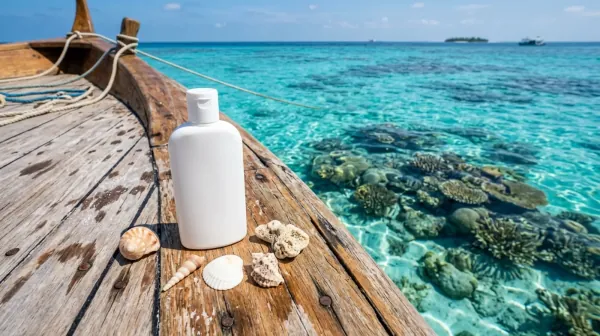
What is reef safe sunscreen? What the label means
The FDA has not defined reef safe. What the AAD says about sunscreen and coral, what the evidence shows, and how to protect your skin at the beach.
- rosaceared face
What is rosacea? Signs, causes and care
Rosacea is a long-term skin condition that causes flushing, lasting redness and bumps on the face, has no cure, and can be controlled with treatment.
- salicylic acidbha
What is salicylic acid, and is it a BHA?
Salicylic acid is an acne medicine that opens clogged pores. Where it comes from, why labels call it a BHA, and how it relates to aspirin.
 niacinamidevitamin b3
What niacinamide does for your skin
Niacinamide, a form of vitamin B3, lowered oil, eased red blotchiness and helped skin hold water in small trials, and safety tests found it gentle.
- non-comedogenicproduct labels
What non-comedogenic means on a skincare label
Non-comedogenic means a product should not clog pores, but no agency defines or checks the term, so use it as a first check and test the product yourself.
- retinoidcombining products
What to mix with a retinoid and what to keep apart
Labels and the AAD warn about drying products, exfoliating acids, other acne medicines and waxing. Here is what to mix with a retinoid and what to avoid.
- melanomadark spots
When a dark spot needs a doctor
Most dark spots are harmless. The ABCDE signs of melanoma, which changes need a dermatologist soon, and why you should never fade a spot before it is checked.
- salicylic acidhow often
When to use salicylic acid: morning or night
Morning or night, every day or less: how often to use salicylic acid, how to build up, and the times to stop or skip it, from the label and MedlinePlus.
- skincare routinetoner
When to use toner, and do you need one?
Where toner goes in a skincare routine, who should skip it, what the AAD says about toners and acne, and how to check a toner's label first.
- skincare routineretinol
When to use retinol in your skincare routine
Retinol goes on at night, on dry skin 20 to 30 minutes after washing and before moisturizer, starting with a low strength every other night.
 combining productsretinol
Which skincare ingredients can you mix?
Most skincare ingredients can be mixed, but do not layer an exfoliating acid such as salicylic or glycolic acid on a retinoid, because the irritation adds up.
- oily skinskin types
Why is my face so oily? Causes of oily skin
Oily skin comes from oil glands that make more oil than you need. Genes and hormones drive it. Here is why a face turns oily, sometimes all of a sudden.
- acne dietdairy and acne
Does diet cause acne? What dairy and sugar do
Diet is not a proven cause of acne: cow's milk and foods that raise blood sugar fast are linked to more acne in some studies, and NICE backs no acne diet.
- ai skin analysisacne apps
How accurate are AI acne scanner apps?
AI acne apps can count and sort visible spots in a clear photo, but their accuracy is not well tested, and a photo cannot show depth, pain or the cause.
- acne routineresults timeline
How long does an acne routine take to work?
An acne routine takes 6 to 8 weeks to show fewer breakouts and 12 weeks for a fair verdict, and the adapalene label says results can take up to 3 months.
 acne scarstretinoin
How to get rid of acne scars: what works
Acne scars can fade but rarely go away, and a dermatologist can make them less noticeable with peels, laser, microneedling, fillers or minor surgery.
 acne routinebenzoyl peroxide
Acne skincare routine: every step, in order
A basic acne routine is a gentle wash, one or two acne gels at night, moisturizer, and SPF 30 sunscreen in the morning.
- hormonal acneadult acne
Hormonal acne vs regular acne: signs to look for
Hormonal acne is a pattern, not a separate disease: spots on the jaw, lower face and neck that flare before periods and resist the usual acne treatments.
- patch testacne routine
How to patch test skincare before using it
Patch test skincare the AAD way: use it on a quarter-sized spot on your arm twice a day for 7 to 10 days, and stop if it turns red, itchy or swollen.
 adapaleneretinoid
How to start adapalene without irritation
Start adapalene 0.1 percent every other night, or wash it off after an hour, in a thin layer on dry skin, then use it once a day for up to 3 months.
- progress photostracking
How to take acne progress photos that show change
Take acne photos in the same spot, in window light from the front, with no makeup or filters, at the same time each day, and compare photos a week apart.
 salicylic acidbenzoyl peroxide
Salicylic acid vs benzoyl peroxide for acne
Salicylic acid unclogs pores and suits blackheads and whiteheads, while benzoyl peroxide cuts acne bacteria and has the stronger 2024 AAD guideline rating.
- purgingbreakout
Skin purging vs breakout: how to tell them apart
Purging shows up in your usual acne spots in the early weeks of a retinoid and then improves, while a reaction spreads, burns, itches or keeps getting worse.
- acne routineproduct order
What order to apply acne products, day and night
Apply acne products in this order: wash, moisturizer and SPF 30 sunscreen in the morning, then at night wash, let skin dry, apply the acne gel and moisturize.
- acne routinebeginner
How to start an acne routine with three products
A beginner starts with a gentle wash, moisturizer and SPF 30, then adds benzoyl peroxide and adapalene gels every other night for the first 2 weeks.