Skinli

Skin school

Six short lessons in simple words. Each one says what the step does, how to start it, and what to do if your skin stings.

Written by Nick, founder of skinli. Not medical advice. Last updated September 20, 2026.

0

How a pimple starts

Every pimple starts with a tiny hole in your skin that gets blocked. Here is what happens, step by step, and the six kinds you might see.

  1. 1

    A clear pore

    Your skin has tiny holes called pores. Oil comes out of them.

  2. 2

    It gets blocked

    Oil and dead skin get stuck inside. That is a blackhead or whitehead.

  3. 3

    Germs move in

    Germs love the oil. They grow in the blocked hole.

  4. 4

    A red pimple

    Your skin fights the germs. It turns red, sore, and bumpy.

  • Whitehead

    A blocked hole with skin over the top. A small white bump.

  • Blackhead

    A blocked hole that is open. The top turns dark in the air. It is not dirt.

  • Red pimple

    Germs grow in the blocked hole. The skin around it gets red and sore.

  • Pus pimple

    A red pimple with a white or yellow top. Do not squeeze it.

  • Deep lump

    Big, sore, and deep under the skin. This kind needs a doctor.

  • Old pimple mark

    Flat and brown or red. It fades. Sunscreen makes it fade faster.

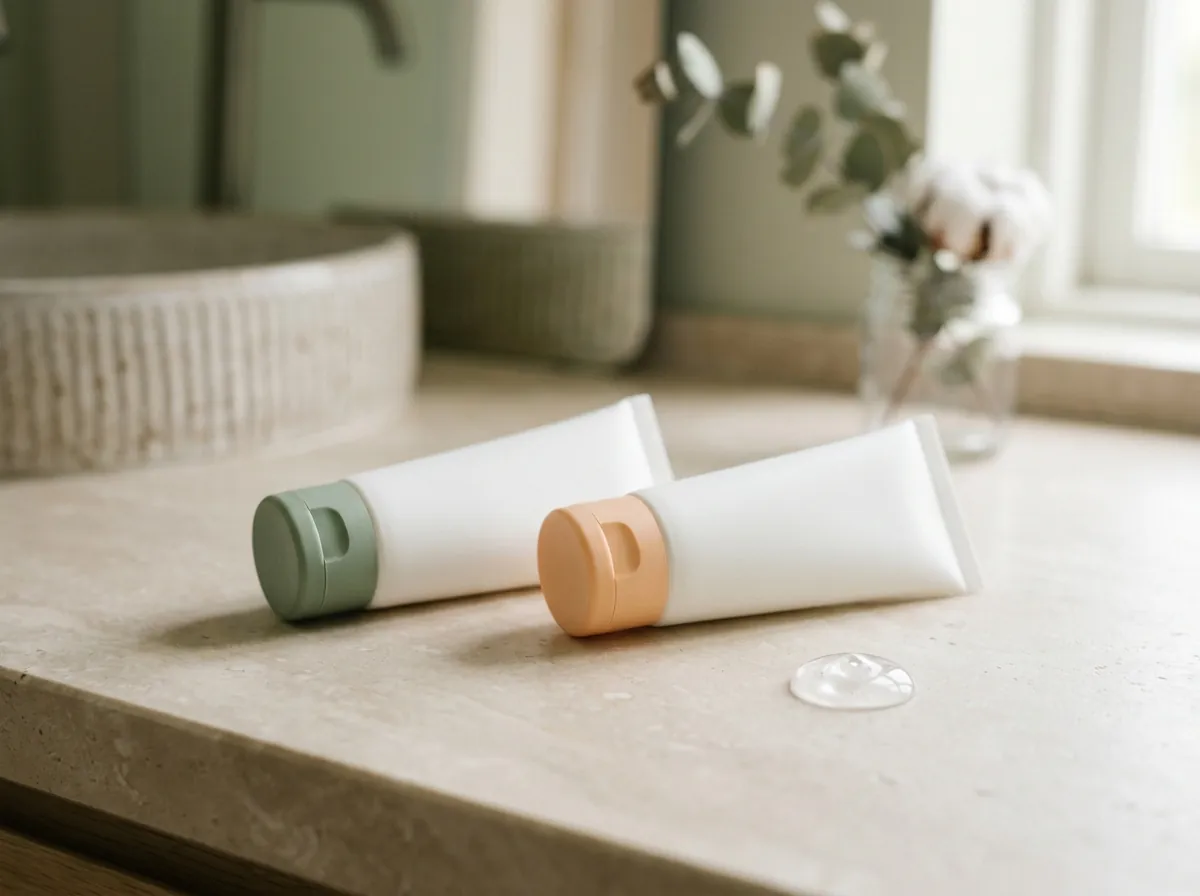
Two small white tubes with a green cap and an orange cap, and a drop of clear gel

1

What the two acne gels do

Doctors pick two gels first for pimples: pimple gel (benzoyl peroxide 2.5%) and acne gel (adapalene 0.1%). You can buy both without a doctor.

Your skin has tiny holes called pores. Oil and dead skin get stuck in them, and germs grow there. That is a pimple. The pimple gel kills the germs. The acne gel opens the holes and stops new pimples from starting.

Start slow. Every other night for two weeks. A pea of each, in a thin layer on the whole area that gets pimples, not just on the spots. If it stings a lot, wash it off after an hour that night. Dry, red, or peeling skin in weeks 2 to 4 is normal.

Get 2.5% pimple gel, not 10%. It works the same and stings less. Do not use salicylic acid at the same time as the acne gel. The label says not to.
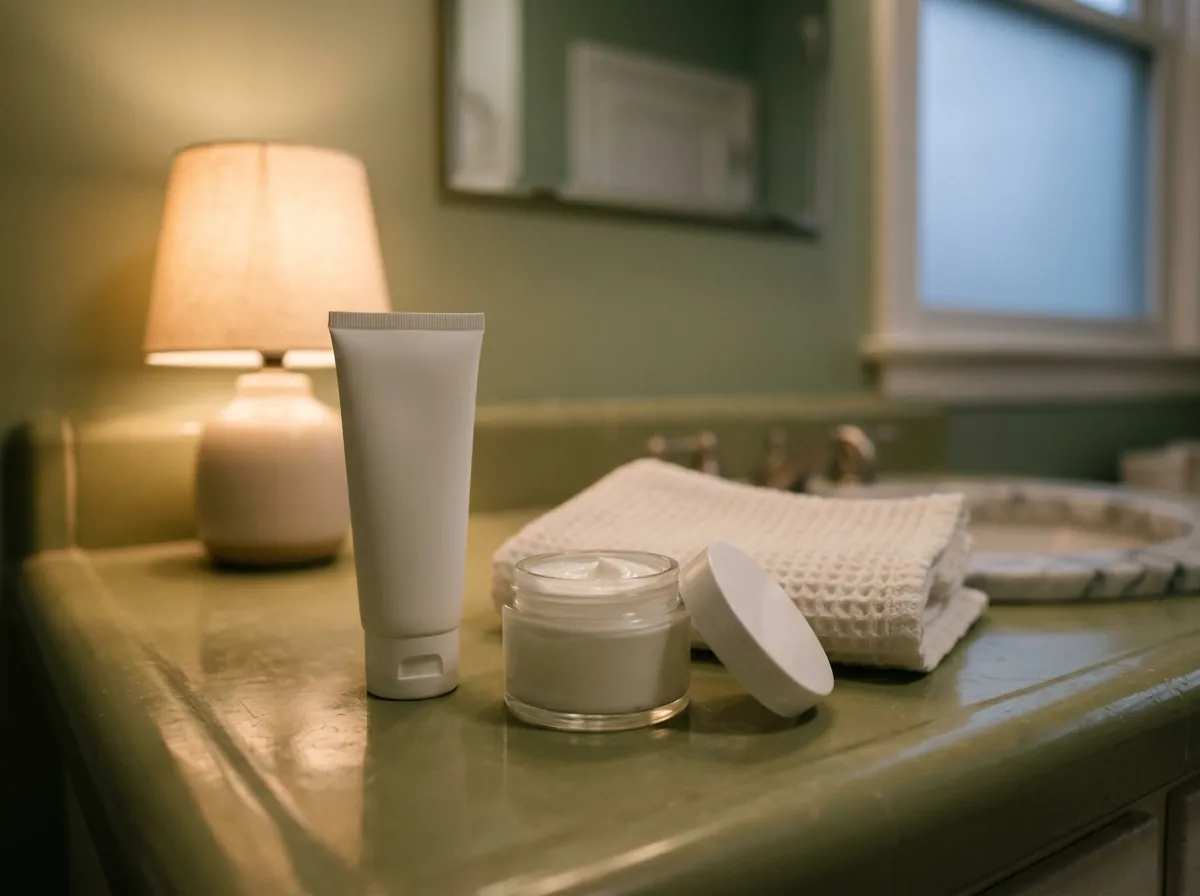
A tube and an open jar of moisturizer on a bathroom counter at night, lit by a small lamp

2

What moisturizer really does

Moisturizer puts water in your skin and keeps it there. Oily skin needs it too. It just needs a lighter one.

The top layer of your skin is like a wall. It keeps water in and keeps bad stuff out. When that wall is hurt, everything stings, even creams that were fine before. Moisturizer helps the wall stay strong. That is why skipping it makes the acne gels sting more.

If your face is oily, pick a gel or a light lotion. Look for "will not clog pores" on the bottle. On many boxes it is written "non-comedogenic". Same thing. If your skin is dry or stings easily, pick a cream.

Put it on while your skin is still a little wet. Wait a minute before sunscreen or the acne gels.

A sunscreen bottle and a small cream jar on a sunny windowsill

3

Why sunscreen matters when you have pimples

The sun makes the marks that pimples leave darker. Sunscreen every day, SPF 30 or more, keeps the marks light so they can fade.

When a pimple goes away, it can leave a brown or red mark. Sun makes that mark darker and makes it stay longer. Sunscreen every morning lets the mark fade on time and keeps new skin safe.

Use two lines of sunscreen, one down your pointer finger and one down your middle finger. That is the right amount for your face and neck. It feels like a lot the first time. Most people use too little.

If you are outside for hours, put more on every two hours. Pick one you like, because sunscreen you do not put on does nothing.

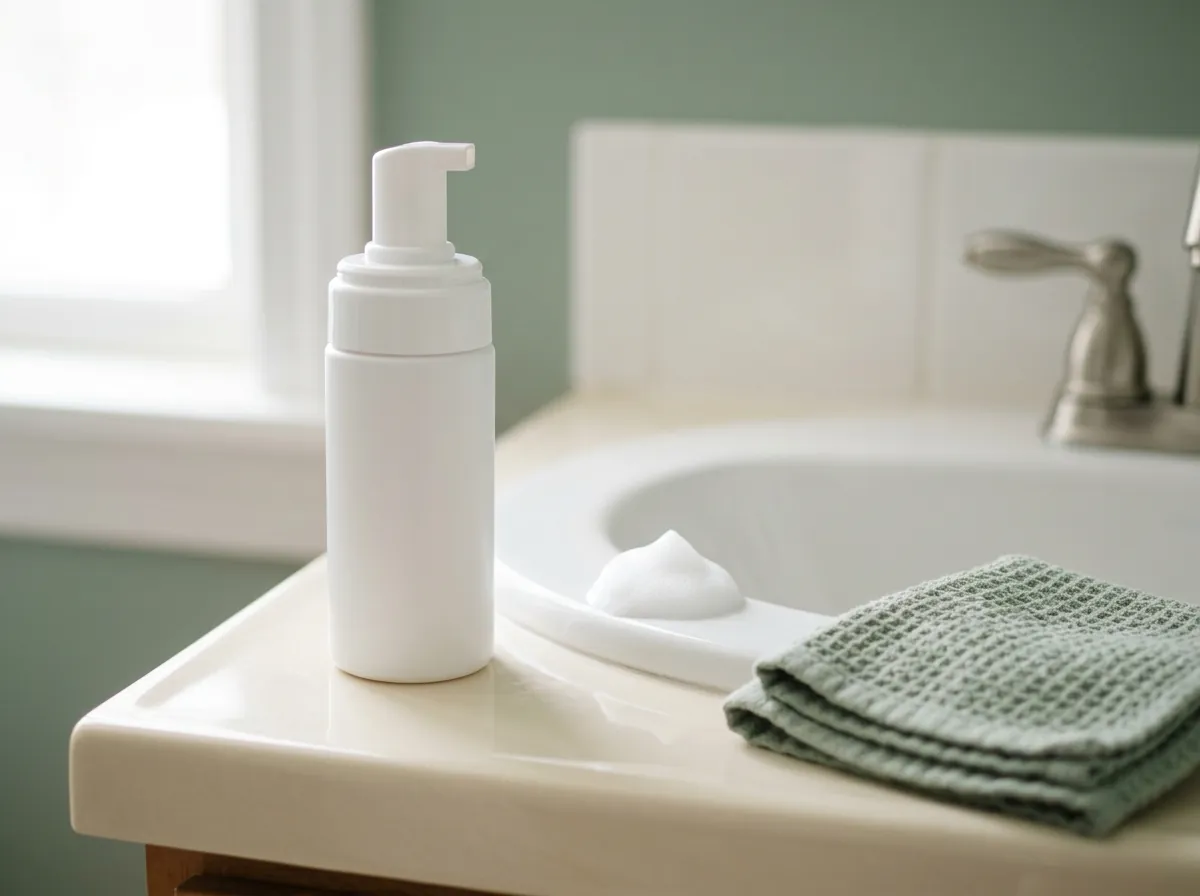
A white pump bottle of gentle face wash next to a bathroom sink

4

How often to wash your face

Wash in the morning and at night with a soft face wash. Washing more than that dries your skin out. It does not clear pimples.

If you wash too much, you take away the oil your skin needs. Then your skin makes even more oil. Two times a day with a soft face wash is the right amount.

Always wash at night. Sunscreen and the oil from the day have to come off before you put anything else on. Wash after you sweat a lot, too.

Here is the test. After you rinse, your face should feel clean but not tight. If it feels tight, the face wash is too strong.

Five different tubes and bottles crowded together on a counter

5

Do not mix strong creams

Add one new cream at a time. If you start three new things in one week and your skin gets sore, you cannot tell which one did it.

Strong creams for pimples include salicylic acid, benzoyl peroxide, retinol, and vitamin C. Each one can sting on its own. Starting all of them at once is how you end up with a sore face and a plan you quit.

Add one cream. Wait two or three weeks. Then decide if you want to add the next one. Write down what you changed and when, because you will forget.

If something stings or peels, stop it. Go back to just face wash, moisturizer, and sunscreen for a week. Let your skin calm down. Then try again, slower.

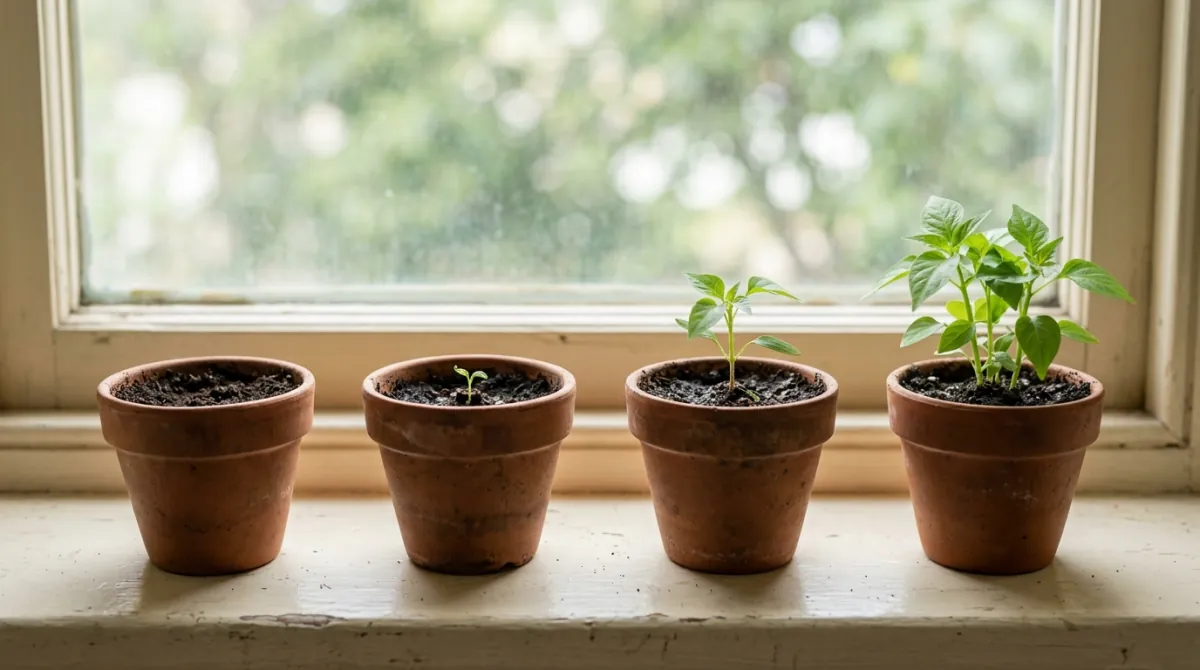
Four pots on a windowsill showing a plant growing from bare soil to leafy

6

How long until you see a change

Give the plan 8 to 12 weeks before you judge it. Skin grows back slowly, and nothing real works in a few days.

Your skin grows a new top layer about once a month. A cream that promises clear skin by the weekend is promising something skin cannot do.

Doing it every day beats doing a lot. Three steps you do every day work better than eight steps you do twice a week.

If your pimples hurt, are deep under the skin, are getting worse, or have not gotten better after a few months of doing the plan, see a doctor. A doctor has stronger medicine. Going is the smart next step, not a fail.

About the writer

Nick

Founder of Skinli

Nick built Skinli after years of trying acne plans made for other people's skin. He is not a doctor or a nurse. The lessons here are simple tips a beginner can follow safely. They do not replace seeing a doctor.

More about Nick

Skinli gives simple tips for skin with pimples. It is not a doctor. It cannot tell you what is wrong the way a doctor can. If your pimples hurt, are deep under the skin, are getting worse, or will not go away, see a doctor.